You already decided which bad habit to quit, whether by cold turkey or the gradual method, and even spotted the triggers that pull you back in?
Then it’s time to find a new habit to replace your old bad habit.
In my opinion, it’s difficult to just stop doing your bad habit. Especially a habit that you have developed for years.
Trying to just stop a bad habit, without having something else ready to do, usually means you’ll slip right back when the bad habit triggers hit.
It’s much easier to find something healthier and better, which will then organically replace the thing you want to quit.
Think of it like this: every time a trigger pops up, you want to already have a habit planned, which you can do instead of your bad habit.
Find something that meets the need your bad habit was filling. Something that helps and not hurts you.
When (Trigger), Then (New Habit)
For every bad habit trigger you’ve found, create a replacement habit that fits.
Instead of just hoping you won’t give in, you’re telling yourself exactly what to do instead.
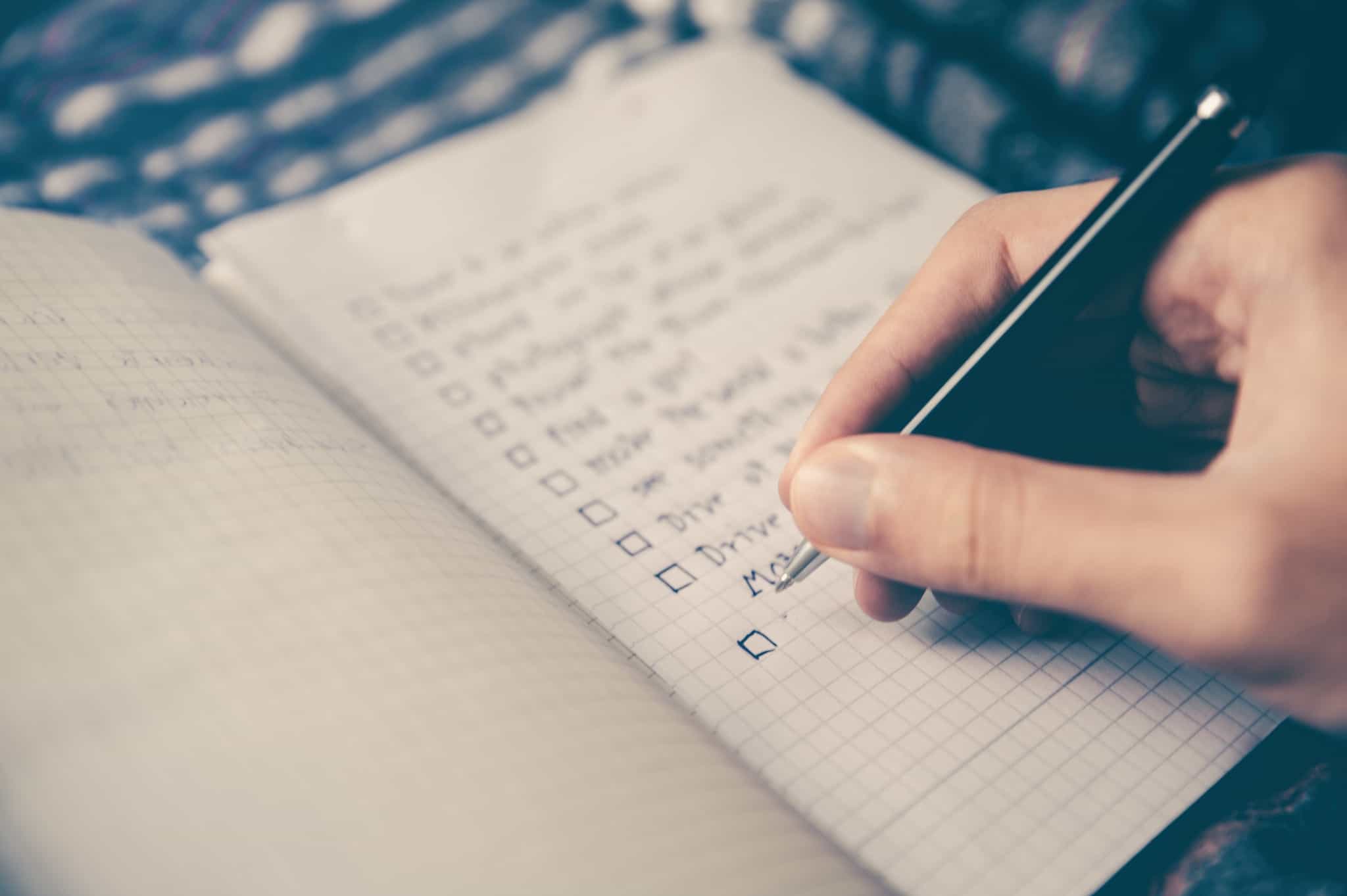
Write down your “When (trigger), then (new habit)” plan for every trigger.
Here’s how it works:
- When you feel stressed and usually smoke a cigarette, your replacement might be: “When I’m stressed, then I will take three deep breaths.”
- When you grab snacks mindlessly in front of the TV, try: “When I sit on the couch, then I will drink a glass of water.”
- If you scroll your phone for hours out of boredom, your new habit could be: “When I feel bored, then I will stand up and do jumping jacks for one minute.”
These are just examples; find replacement habits that work for you.
Why does this work?
Because habits come from triggers.
Your brain learns to do the same thing every time a trigger pops up.
We are rewiring this by making clear plans for what to do instead.
Write down your “When (trigger), then (new habit)” rule for each instance that triggers your bad habit, so you don’t leave it to chance.
120 Good Replacement Habits
Here is a list of 120 good replacement habits you can do instead of your bad habits:
- Meditate
- Go for a walk
- Exercise
- Have tea
- Take a bath
- Talk to someone
- Practice a skill
- Read
- Learn something new
- Help someone
- Work on a side project
- Collaborate with someone
- Train for a race
- Go to a meetup
- Join a running club
- Make plans to hang out with friends
- Call a loved one
- Journal
- Read in the park
- Stretch
- Cook a healthy meal
- Listen to music
- Dance
- Write poetry or stories
- Draw or paint
- Garden
- Drink water
- Practice deep breathing
- Practice yoga
- Clean or organize your space
- Declutter your desk
- Plan your day
- Set small goals
- Visualize success
- Compliment someone
- Smile more often
- Practice gratitude
- Volunteer locally
- Take a short nap
- Try a new hobby
- Play a musical instrument
- Solve puzzles or brain games
- Take photographs
- Watch an inspiring video
- Read motivational quotes
- Go outside and observe nature
- Plan a future trip
- Practice mindfulness
- Write a thank-you note
- Brew herbal tea
- Make a smoothie
- Do house chores
- Practice positive affirmations
- Walk barefoot on grass
- Sip water slowly
- Organize your emails
- Call an old friend
- Research a topic of interest
- Plan a healthy meal for the week
- Try a new recipe
- Update your goals journal
- Practice a new language
- Do light stretching on breaks
- Write a blog post
- Start a gratitude jar
- Use standing desks or have walking meetings to stay active during work
- Read a non-fiction book
- Write down your dreams
- Practice earthing (touching the earth)
- Write a daily intention
- Create a vision board
- Watch a documentary
- Plan a self-care day
- Write down positive things about yourself
- Practice slow walking
- Explore a new walking path
- Use a foam roller for muscle relief
- Do push-ups or simple exercises
- Schedule time for reflection
- Plan your week ahead
- Learn a craft (knitting, sewing)
- Write a letter to your future self
- Research healthy habits
- Eat your meals mindfully and with care
- Listen to a podcast on self-improvement
- Do a digital detox for 10 minutes
- Water your plants
- Clean out your closet
- Write a poem about your day
- Draw a mandala
- Take selfies to track progress
- Write about your goals
- Compliment yourself in the mirror
- Stand and stretch every hour
- Create a habit tracker chart
- Plan a gratitude walk
- Try a breathing exercise app
- Journal about your feelings
- Write down 3 things you like about today
- Practice forgiveness
- Send a positive text to someone
- Look up at the sky and breathe deeply
- Try a new sport or activity
- Learn to juggle or a similar fun skill
- Make a playlist of uplifting songs
- Organize your workspace
- Go to bed earlier and sleep
- Create a relaxing bedtime routine
- Establish a consistent sleep routine
- Watch a sunrise or sunset
- Plan a creative project
- Make a healthy snack
- Use aromatherapy
- Try guided meditation
- Learn mindfulness techniques
- Practice self-massage
- Dance in your room
- Practice active listening during conversations
- Take a photo walk
- Celebrate small wins daily
Which of these replacement habits would be a good habit to replace your bad habit?
Which replacement habit will you try first?
Pick one to five from the list and then do them instead of your bad habit when you get triggered.
How to Remember to Do Your Replacement Habit
When you start doing your replacement habit, you might find it challenging to recall it when your usual triggers show up.
That’s very normal. Even I’ve forgotten to do my replacement habit more times than I can count, and only remembered some of the time.
This is why I suggest starting with simple, Level 1 bad habits if you’re new to habit change. These are easier because the bad habit usually happens physically and at a predictable time, so it’s easier to spot the trigger and remember your replacement.
But when bad habits or triggers come at random times, it’s harder to remember. Mental habits like negative thinking are especially tricky because you often don’t even notice you’re doing them or what triggered them.
Here’s how you can get better at remembering your replacement habit:
- Make remembering your replacement habit the most important thing in your day. Think about it first thing when you wake up. Put a note where you’ll see it, such as on your computer or refrigerator.
- Discuss your habit with friends or family to keep it on your mind. The more you think about it, the less you’ll forget. If it’s not important to you, chances are, you won’t remember it.
- Place reminders where your triggers typically occur. If that’s in the kitchen, put a note on the fridge. If it’s at your desk, stick a reminder there. Visual cues work.
- Wear a rubber band or bracelet as a simple, physical reminder. Draw a small symbol on your hand or wrist to keep your habit close to you all day.
- Don’t hesitate to ask friends, family, or coworkers to remind you. Sometimes, a quick nudge from someone else is all it takes.
- Stick a note on your mirror so you see it every morning and night. It’s a great chance to remind yourself at least twice a day.
- Use technology to your advantage: set reminders or alarms on your phone or tablet. Send yourself text messages or emails as gentle prompts throughout the day.
- Keep a habit journal, where you write down when you succeed and how you feel afterward.
- Celebrate the little wins. Each time you remember your new replacement habit, give yourself a mental or even real high-five. Positive rewards help your brain keep track.
The key is to keep your replacement habit at the front of your mind. The more you do that, the better you’ll remember.
And don’t worry if you’re not perfect and forget it sometimes at first, especially if it’s a tough habit to catch. Just focus on getting better little by little each week.
Which new habit and reminder will you try first?
Action Steps:
- Pick one to five good replacement habits to do instead of your bad habit when you get triggered.
- Write down “When (trigger), then (new habit)” rules.
- Put reminders of your new replacement habits in a location where you normally get triggered to do the habit you want to quit.
- Ask for support from friends or family, if you have good enough parents and friends who will help you with this habit change.